Yoga can include physical postures, breathing practices, meditation, and philosophical traditions. A supportive practice does not ask every body to make the same shape. It begins with attention, choice, and respect for your own range of movement.
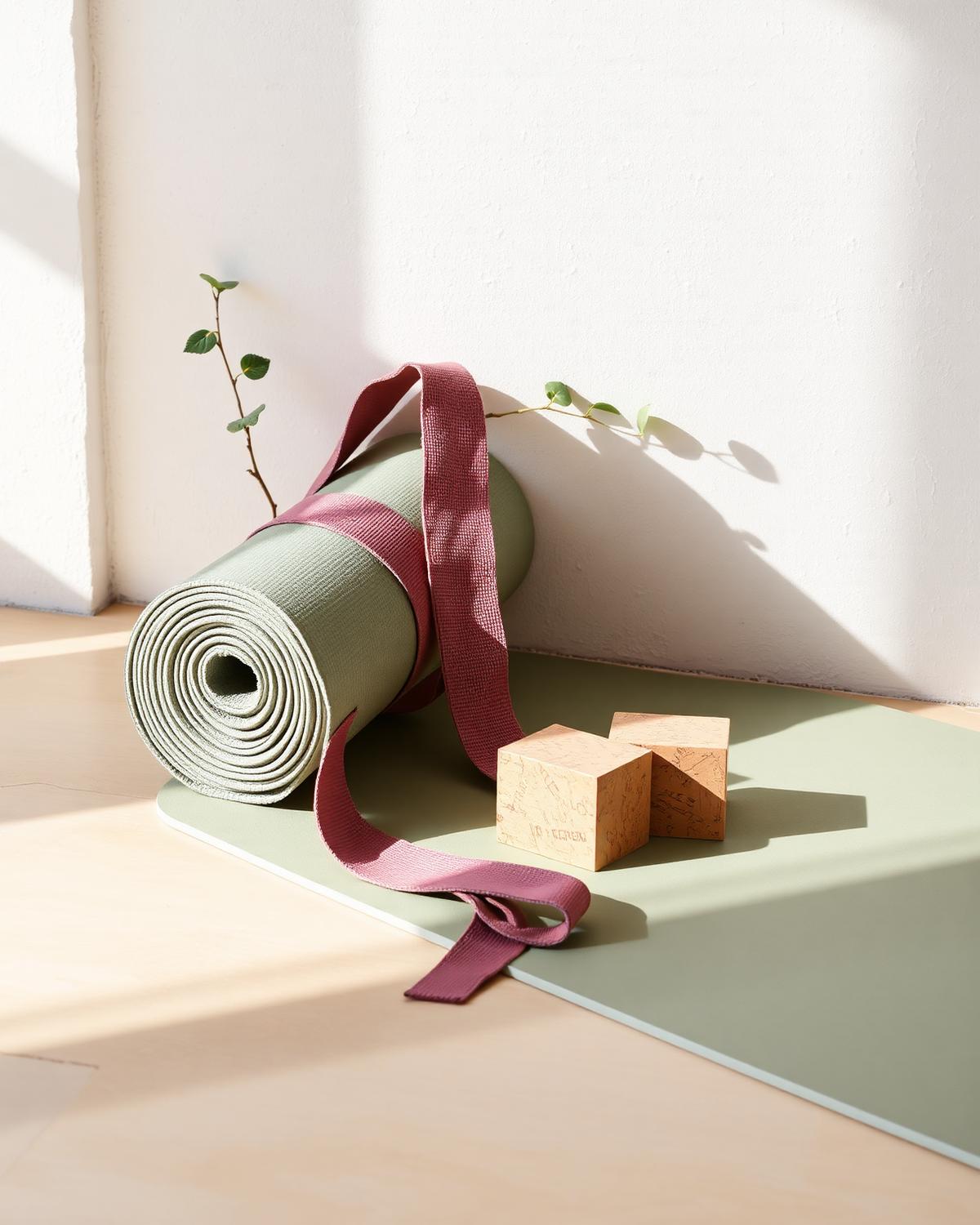
Before moving, notice the surface beneath you and take time to arrive. A chair, wall, folded blanket, strap, or blocks can make a posture more stable and accessible. Supports are not shortcuts; they are tools that help the practice meet the person.
Move slowly enough to receive information. Sensations of effort or stretching may be present, but sharp pain, numbness, dizziness, or strain are reasons to pause. You never need to hold your breath or force a position to make it count.
The National Center for Complementary and Integrative Health advises learning with a qualified instructor, avoiding forceful practices when you are new, and adapting yoga for health conditions, pregnancy, or injury with appropriate professional guidance.
Let the final measure be how you relate to yourself while moving. A shorter range, a seated variation, or choosing rest can all be complete expressions of practice.